Compost Color Icons: A Versatile Design Tool for Modern Workflows
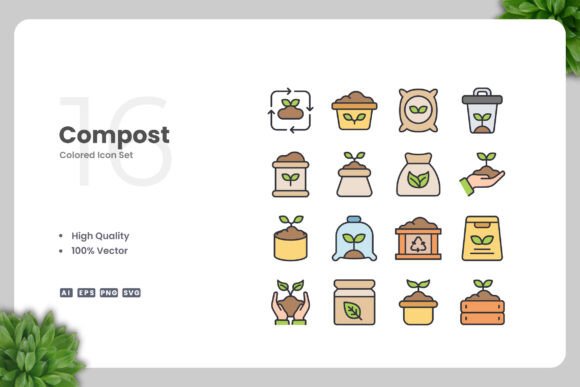
Compost Color Icons is a collection of high-quality, vector-based icons designed with simplicity and clarity in mind. These icons are ideal for a wide range of applications, from digital projects like websites and mobile apps to print materials such as flyers, posters, and banners. Their clean design makes them easy to integrate into any visual language, ensuring consistency across different platforms and formats.
Understanding the Role of Compost Color Icons in a Workflow
In modern design and development workflows, icons play a crucial role in communicating ideas quickly and effectively. Compost Color Icons fits seamlessly into this process by offering a set of tools that can be used at various stages of a project. Whether you're planning a website layout, designing an app interface, or creating marketing materials, these icons can enhance your visual storytelling without complicating your workflow.
Before starting a project, designers often look for assets that align with their vision and brand identity. Compost Color Icons provides a ready-to-use solution that can be customized to match specific color schemes, styles, and branding guidelines. This makes it a valuable resource during the initial planning phase, where consistency and clarity are essential.
How to Use Compost Color Icons in Different Scenarios
During the execution phase of a project, the ease of use and flexibility of Compost Color Icons become apparent. The icons are available in multiple file formats, including AI, EPS, SVG, and PNG, making them compatible with most design and editing software. This versatility allows users to work efficiently, regardless of their preferred toolset.
For example, a web developer working on a new site might use the SVG files to ensure scalability and responsiveness across different screen sizes. Meanwhile, a graphic designer creating a brochure could import the EPS version into Adobe Illustrator for precise adjustments. The ability to resize, recolor, and modify the icons ensures they remain relevant and adaptable throughout the project lifecycle.
Integration with Other Tools and Resources
Compost Color Icons is not a standalone solution but rather a component that works well with other design resources. It complements existing libraries, stock icon sets, and custom illustrations by providing a cohesive visual language. This integration is especially useful when maintaining brand consistency across multiple channels and mediums.
Designers often combine Compost Color Icons with typography, illustrations, and layouts to create visually engaging content. For instance, a social media manager might use the icons alongside custom graphics to create eye-catching posts that align with the brand's aesthetic. Similarly, a product marketer could incorporate them into infographics to simplify complex data and improve user understanding.
Practical Tips for Implementation
To get the most out of Compost Color Icons, consider the following practical tips:
- Plan ahead: Before selecting icons, define the purpose and context of each one. This helps avoid unnecessary complexity and ensures the icons serve a clear function.
- Customize wisely: While the icons are fully customizable, over-editing can reduce their effectiveness. Keep changes minimal and focused on alignment with your design goals.
- Organize files: Maintain a structured folder system for the icon files, especially if working on large-scale projects. This improves efficiency and reduces time spent searching for specific assets.
- Test across platforms: Verify how the icons look on different devices and backgrounds. This ensures they maintain clarity and readability in all environments.
Long-Term Use and Maintenance
One of the key advantages of Compost Color Icons is its long-term usability. Unlike some temporary design elements, these icons are built to last. Their vector format ensures they remain sharp and scalable, even as technology evolves. This makes them a cost-effective choice for businesses and creators who need reliable design assets over time.
Maintaining consistency is another benefit of using Compost Color Icons. By sticking to a single set of icons across multiple projects, teams can establish a unified visual identity. This is particularly important for brands looking to build recognition and trust with their audience.
Workflow Examples and Use Cases
Consider the following examples of how Compost Color Icons can be applied in real-world scenarios:
- Website Development: A developer building a new e-commerce site can use the icons to represent features like shopping carts, payment options, and customer support. This enhances user navigation and improves the overall experience.
- Mobile App Design: An app designer creating a productivity tool might use the icons to denote actions like saving, sharing, and deleting. The clean design ensures the icons are easily recognizable on small screens.
- Marketing Materials: A marketing team launching a campaign could incorporate the icons into email templates, social media posts, and printed brochures. This creates a cohesive look that reinforces brand messaging.
- Educational Content: A teacher developing an online course might use the icons to illustrate concepts in a visually engaging way. This can help students grasp complex topics more easily.
Conclusion: Enhancing Efficiency and Creativity
Compost Color Icons offers a practical and efficient solution for designers, developers, and creators looking to streamline their workflow. Its simple yet powerful design, combined with a wide range of file formats, makes it a versatile asset for both digital and print projects. By integrating these icons into your process, you can save time, maintain consistency, and elevate the quality of your work.
Whether you're working on a personal project or managing a business initiative, Compost Color Icons can help you achieve your goals with ease. With the right approach, these icons can become an essential part of your creative toolkit, supporting your efforts in every stage of the design and implementation process.